
Change Car Ownership with the DVLA (Transfer Process Explained)
Changing car ownership in the UK is a DVLA-managed legal event that occurs when a vehicle is sold, transferred, or otherwise moved into another person’s name.
Although motorists often describe this as a “transfer” of ownership, the DVLA process concerns updating who is recorded as the registered keeper on the vehicle record.
When ownership changes, the DVLA updates the vehicle’s registered keeper details on its central database.
This update determines who is legally responsible for the vehicle in administrative terms, including vehicle tax, penalties, and official correspondence.
The process does not alter the vehicle’s condition, value, mileage, or past ownership history, nor does it rewrite historical records already held on the car.
This page explains how the DVLA ownership change process works, what “transfer” means in DVLA terms, and why updating the registered keeper accurately is essential for ending one person’s responsibility and establishing another’s.
- What Changing Car Ownership Means
- Who Is This Ownership Change For?
- How the DVLA Is Notified of a Car Ownership Change
- What Information and Documents Are Needed
- When Responsibility Changes Between Seller and Buyer
- Confirmation from the DVLA
- What Else Changes After Ownership Is Updated
- Common Problems and Mistakes When Changing Ownership
- Special and Uncommon Ownership Changes
- Frequently Asked Questions
What Changing Car Ownership Means
Changing car ownership means updating who is legally recorded as responsible for a vehicle on the DVLA system.
This process forms part of the broader concept of Proof of Car Ownership, which sets out how responsibility for a car is formally recognised and recorded in the UK.
In DVLA terms, an ownership change is about updating the registered keeper, the person or organisation named on the vehicle registration record.
When this change is completed, the DVLA updates its central vehicle registration database with the new registered keeper’s name and address.
From that point, the new keeper becomes responsible for matters such as vehicle tax, penalties, and official DVLA correspondence.
This update is administrative only. It does not change who previously owned the car, nor does it affect the vehicle’s physical condition, mileage, or value.
Because registered keeper changes are recorded over time, they form part of a vehicle’s documented background.
While the DVLA update only alters current responsibility, the fact that a keeper change has occurred is reflected in the vehicle’s wider record.
This is why understanding how ownership changes connect over time, as discussed in guides that cover Car History Explained, helps motorists see how responsibility and records relate across a vehicle’s lifespan.
Is changing car ownership the same as changing the registered keeper?
Yes. For the DVLA, changing car ownership means updating the registered keeper details on the vehicle record.
Who Is This Ownership Change For?
The DVLA ownership change process depends on your role in the transaction.
Whether you are selling a car, buying one, completing a private sale, or updating keeper details, the DVLA assigns responsibility differently.
Identifying which role applies to you ensures the ownership change is recorded correctly and that legal responsibility transfers at the correct point.
Do the buyer and seller follow the same DVLA process?
No. The seller notifies the DVLA, while the buyer must make sure the change has been completed.
If You Are Selling a Car
Selling a car places the responsibility on you to notify the DVLA that ownership has changed.
This applies when selling privately, selling to a dealer or motor trader, or using an online car buying service.
Completing this notification formally ends your legal responsibility for the vehicle and prevents future issues, such as vehicle tax demands, fines, or enforcement notices being sent to you after the sale.
If You Are Buying a Car
Buying a car makes you responsible for ensuring the DVLA has updated the registered keeper details.
Although the seller submits the notification, the buyer must confirm that the change has been processed.
Once the DVLA updates the vehicle record, you become the registered keeper and assume legal responsibility for matters such as vehicle tax and official correspondence.
If You Are Both Buyer and Seller (Private Sale)
In a private sale, the buyer and seller typically complete the ownership change together.
This joint confirmation ensures the DVLA receives accurate details and that responsibility transfers cleanly from one party to the other without delays or disputes.
If You Are Only Updating Keeper Details
Some ownership changes do not involve a sale.
Updating keeper details may be required when personal information changes or needs correcting, such as a name or address update.
In these cases, the DVLA still updates the registered keeper record even though the vehicle itself has not changed hands.
How the DVLA Is Notified of a Car Ownership Change
Notifying the DVLA triggers an ownership change on the vehicle record.
Until the DVLA receives this notification, the registered keeper details remain unchanged and legal responsibility stays with the person currently recorded.
Once the notification is processed, the DVLA updates its database to show the new registered keeper, formally transferring responsibility for the vehicle.
The DVLA can be notified in two main ways: online or by post.
The method used does not change the legal outcome, but it can affect how quickly the change in ownership is confirmed.
Do both the buyer and seller need to notify the DVLA?
No. In most cases, the seller completes the DVLA notification on behalf of both parties.
Notify the DVLA Online
The DVLA’s online service is the quickest way to notify a car ownership change.
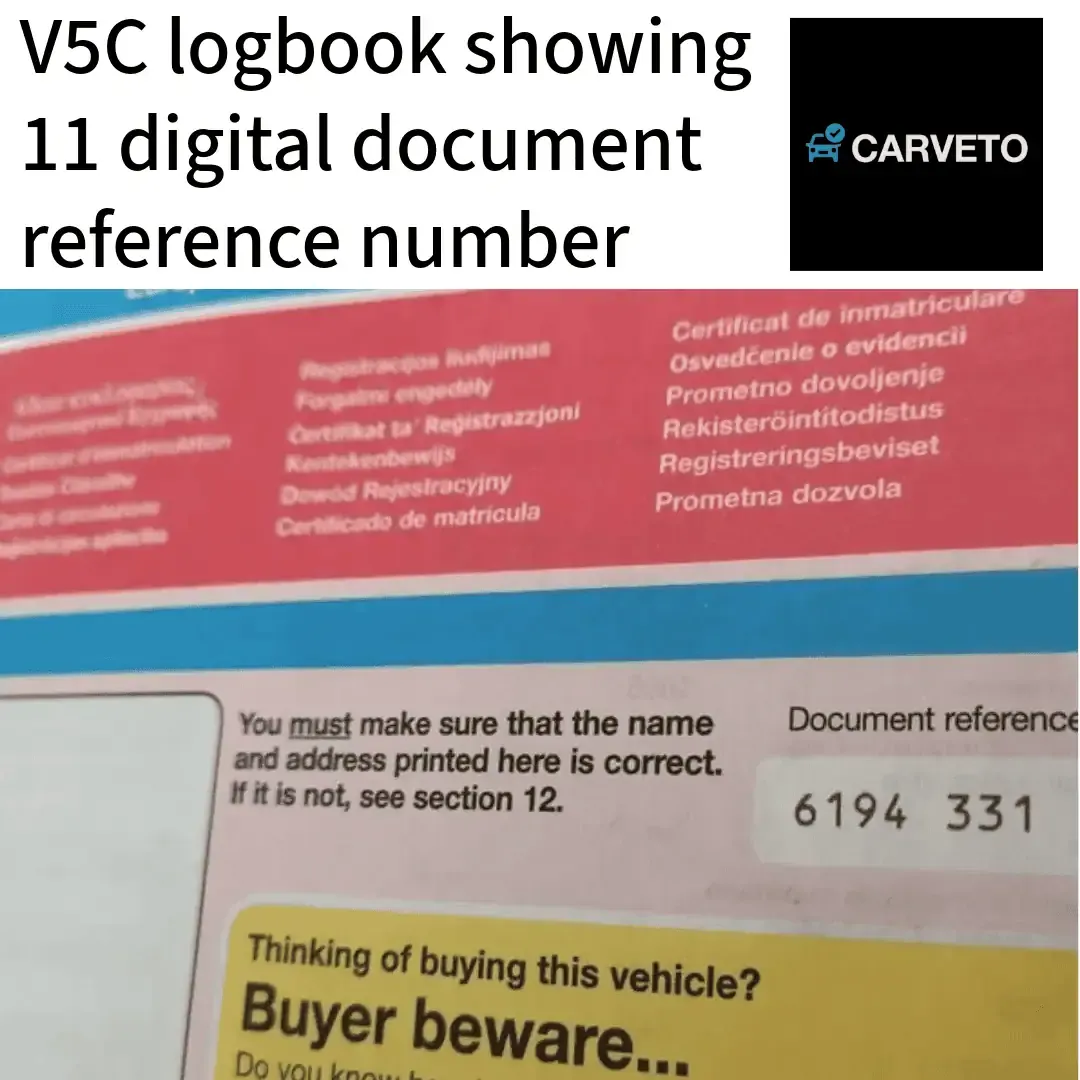
It uses a reference number from the vehicle’s registration document and provides confirmation once the notification is submitted.
In many cases, the registered keeper details are updated immediately, and confirmation is issued without delay.
This method is commonly used for private sales and direct ownership transfers between individuals.
Notify the DVLA by Post Using the V5C Log Book
Ownership changes can also be notified by post using the vehicle’s V5C log book.
The V5C explains what a car logbook is and how it relates to the vehicle’s registration record.
When notifying by post, the relevant sections of the V5 Document are completed and sent to the DVLA, and the update is processed once the information is received.
In some situations, such as selling a vehicle to a dealer or motor trader, the yellow slip (V5C/3) may be used to confirm that the vehicle has changed hands.
Postal notifications usually take longer to process than online notifications because they rely on delivery and manual handling.
What Information and Documents Are Needed
Changing car ownership with the DVLA requires specific information so the vehicle record can be updated accurately.
The details provided are used to identify the vehicle and confirm who is becoming the new registered keeper.
Having the correct information ready helps avoid delays or incomplete updates.
In most cases, you will need:
- The vehicle’s V5C log book, which contains the reference number used to notify the DVLA
- The vehicle registration number
- The full name and address of the new registered keeper
- The date the ownership change took place
These details allow the DVLA to update its database and assign legal responsibility to the correct person.
No information about the vehicle’s condition, mileage, or value is required, as the ownership change only affects the registration record.
Can car ownership be changed without the V5C log book?
Yes, but it may take longer. If the V5C log book is missing, ownership can still be changed, though additional checks may be required. In these situations, it helps to understand your options before proceeding.
You can find further guidance in CarVeto’s guide on Buy Car Without Logbook.
When Responsibility Changes Between Seller and Buyer
Legal responsibility for a car does not transfer when payment is made or when the vehicle is handed over.
Responsibility changes only when the DVLA updates the registered keeper details on the vehicle record.
Until that update is completed, the person currently listed as the registered keeper remains legally responsible for the vehicle.
Once the DVLA processes the ownership change and records the new registered keeper, responsibility transfers from the seller to the buyer.
From that point, the new keeper becomes responsible for vehicle tax, penalties, and official DVLA correspondence.
This applies regardless of when the sale took place or when the vehicle was physically collected.
DVLA confirmation marks the exact point at which responsibility ends for one party and begins for the other.
Am I still responsible if the buyer hasn’t taxed or insured the car yet?
No. Once the DVLA updates the registered keeper details, responsibility transfers regardless of tax or insurance.
Confirmation from the DVLA
Confirmation from the DVLA is evidence that a car ownership transfer has been completed.
Once the DVLA updates the registered keeper details on the vehicle record, it issues confirmation showing that responsibility has officially transferred.
This confirmation marks the point at which one person’s legal responsibility ends and another’s begins.
Until confirmation is received, the DVLA record may still list the previous keeper as responsible.
Retaining DVLA confirmation helps protect both the seller and the buyer if questions later arise about vehicle tax, penalties, or official correspondence linked to the vehicle.
For this reason, confirmation should always be checked and kept after an ownership change is notified.
What should I do if I don’t receive confirmation from the DVLA?
Contact the DVLA to check whether the ownership change has been processed correctly.
What Else Changes After Ownership Is Updated
Once the DVLA updates the registered keeper details, certain legal consequences follow as a result of the ownership update.
These changes sit outside the transfer process itself, but they affect how the vehicle is managed after responsibility has moved to the new keeper.
Vehicle tax does not carry over when ownership changes. The new registered keeper must arrange vehicle tax in their own name.
Insurance also does not transfer, and the new keeper must ensure appropriate cover is in place before using the vehicle.
An existing MOT, however, remains valid until its expiry date, even though the registered keeper has changed.
Understanding these consequences helps prevent gaps in legal compliance or unexpected charges after an ownership change has been completed.
Is vehicle tax transferred to the new owner?
No. Vehicle tax does not transfer and must be arranged separately by the buyer.
Common Problems and Mistakes When Changing Ownership
Problems during a DVLA ownership change usually arise when notification is delayed, incomplete, or assumed to have been completed by the other party.
These mistakes can leave responsibility attached to the wrong person and lead to avoidable disputes or penalties after a vehicle changes hands.
Common problems include:
- Failing to notify the DVLA promptly after selling or transferring a vehicle
- Assuming the buyer has completed the ownership change without checking confirmation
- Providing incorrect or incomplete registered keeper details, such as names or addresses
- Not retaining DVLA confirmation that the update has been processed
- Confusing physical handover with legal responsibility, which only transfers once the DVLA record is updated
Most of these issues are preventable by ensuring the DVLA is notified correctly and confirming that the registered keeper details have been updated.
DVLA confirmation is the only reliable proof that responsibility has formally transferred.
What happens if the DVLA is not notified on time?
You may remain legally responsible for the vehicle and could face penalties.
Special and Uncommon Ownership Changes
Not all car ownership changes arise from a standard sale or purchase.
In some situations, the DVLA ownership change process still applies but involves non-standard circumstances, such as vehicles transferred due to death, inheritance, or other exceptional reasons, where no typical transaction has taken place.
In these cases, the core principle remains the same: the DVLA updates the registered keeper details on the vehicle record.
However, additional documentation is often required to support the change and confirm who should be recorded as responsible.
Because these scenarios differ from routine transfers, ownership updates can take longer to complete than standard changes.
Does the DVLA process change for inherited vehicles?
Yes. Ownership changes due to death or inheritance require additional documentation.
Frequently Asked Questions About DVLA Ownership Changes
The DVLA updates ownership immediately in many online notifications, with confirmation issued straight away.
Postal notifications usually take longer due to delivery and manual processing.
Legal responsibility remains with the current registered keeper until the DVLA record is updated.
Yes. You can drive the car while ownership is being updated, provided the vehicle is insured and legally roadworthy.
Driving the car does not affect responsibility, which only changes when the DVLA updates the registered keeper details.
If the seller forgets to notify the DVLA, the seller may remain legally responsible for the vehicle.
This can lead to vehicle tax demands, penalties, or enforcement notices being sent to them after the sale.
Yes. Ownership can be changed on the same day as the sale when the DVLA is notified online.
This allows the registered keeper record to be updated without delay once the notification is submitted.
The DVLA updates the registered keeper’s name and address when ownership changes.
It does not update the vehicle’s condition, mileage, value, or past ownership history.
Yes. Changing ownership for company cars follows the same DVLA process, but the registered keeper is a business rather than an individual.
The DVLA record must still be updated whenever responsibility changes.
Yes. Ownership can be changed even if the car is declared off the road.
DVLA SORN Status and registered keeper details are recorded separately by the DVLA.